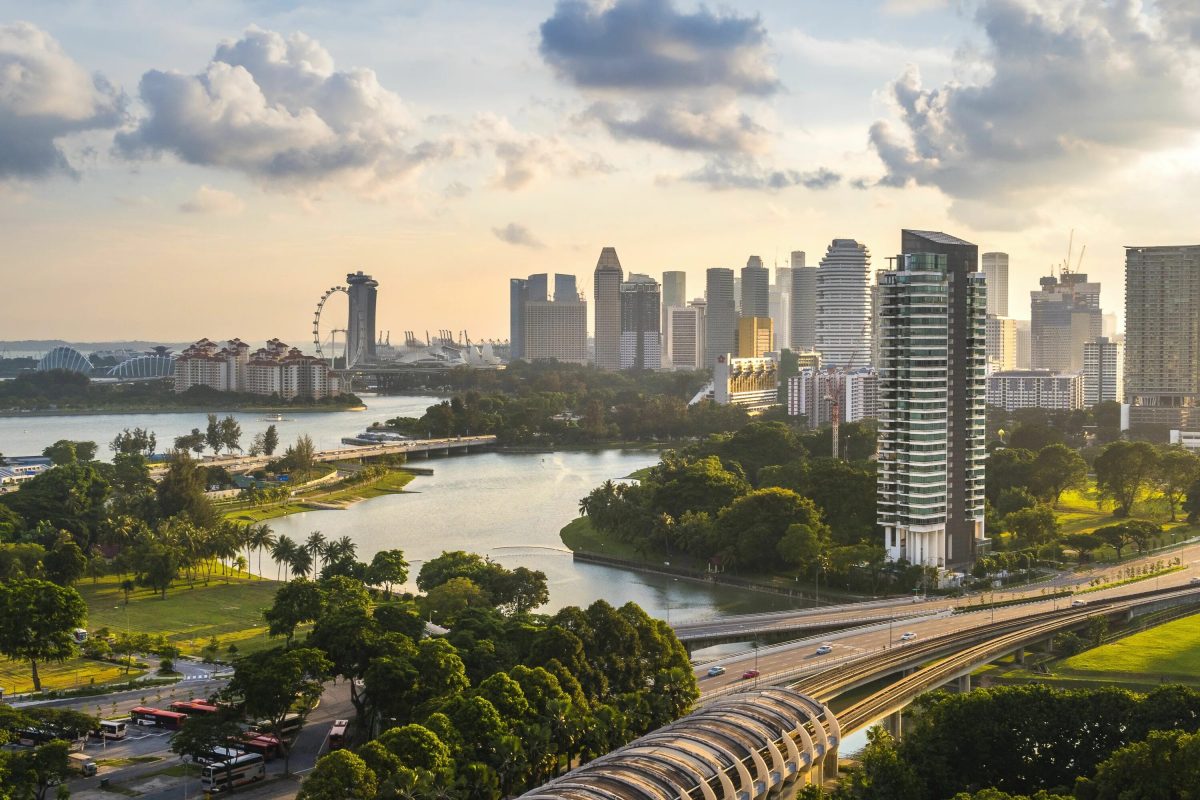
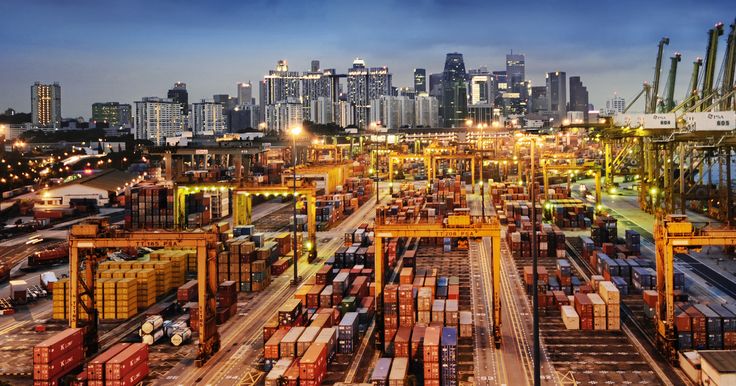
 Singapore is set to become the epicentre of logistics innovation as transport logistic Southeast Asia & air cargo Southeast Asia 2025 prepares to open its doors. Hosted by MMI Asia, the event promises to bring together more than 10,000 professionals, 120 exhibitors from 27 countries, and over 150 industry leaders from across the globe. From digital transformation and sustainability to human capital and regional infrastructure, the event aims to chart the future of how goods move through one of the world’s fastest-growing trade corridors.
Michael Wilton, CEO and Managing Director of MMI Asia, said the event “serves as a catalyst for regional transformation—connecting industry leaders, innovators, and emerging talent to shape the future of logistics across ASEAN and beyond.”
Resilient supply chains in an uncertain world
The Main Stage will dive headfirst into the pressing realities shaping global logistics. “We’re addressing the twin forces reshaping supply chains today: U.S. tariff shifts and Southeast Asia’s rapid rise as a manufacturing and logistics hub,” said Wilton. The keynote, “From Fragile to Future-Proof: How Digital Tools and Human Talent Build Truly Resilient Logistics Networks” by Radu Palamariu, Group CEO of Alcott Global, sets the tone for a programme dedicated to resilience and adaptability.
Wilton added that the discussions will go far beyond theory. “Panels such as ‘Southeast Asia’s Transport and Logistics Horizon’ and ‘Shaping the Future of Supply Chains – Navigating Transformation Successfully’ feature leaders from Google, Boeing, and dsm-Firmenich, discussing how companies are diversifying sourcing, investing in ASEAN infrastructure, and leveraging AI-driven planning,” he said. These conversations will explore how logistics operators can not only manage tariff-related risks but also seize the opportunities presented by the region’s projected seven percent trade growth and US$46 billion in FDI inflows.
“The key takeaway is resilience through strategy and innovation,” Wilton noted. “Attendees will leave with insights into how technology and talent together create stronger, more adaptive logistics systems.”
The Changi advantage
A major highlight of the event will be the Centre Stage sessions, spotlighting the infrastructure driving Southeast Asia’s airfreight growth. “One of our most anticipated sessions is ‘Blueprint for Establishing a Regional Air Cargo Hub’ by Lim Ching Kiat, EVP of Changi Airport Group,” said Wilton. “It will give participants an insider’s view of Terminal 5 and how it’s designed to strengthen Singapore’s position as a strategic logistics hub.”
Terminal 5, currently under development, is being built with automation, SAF-ready infrastructure, and advanced cargo handling systems—features that Wilton believes will “significantly boost ASEAN connectivity, enabling faster, more efficient cargo flows across key trade lanes.”
Supporting sessions such as “Sustainable Growth of Air Cargo in Southeast Asia”—featuring executives from Etihad Airways Cargo, Qatar Airways Cargo, and MAB Kargo—will also explore how sustainability and capacity growth can coexist. “These developments support regional integration and resilience, positioning Southeast Asia as a global logistics gateway,” said Wilton.
The future of integrated logistics
For Wilton, one of the event’s defining features is its focus on actionable innovation. “Our Exhibitor Seminars demonstrate how AI, IoT, and predictive analytics are being used today to improve efficiency and collaboration,” he said. Sessions include “Digitalisation with AI” by Cargo Community Network, “Introduction to Siemens Digital Logistics Portfolio”, and “From Data to Decisions – AI and Visibility in the Future of Supply Chain Management” by BlueBox Systems.
However, Wilton is quick to point out that technology alone is not the answer. “Sessions like ‘Blame the Software? It’s Not Just the Tech That’s Holding You Back’ by Yojee Solutions dig into why digitalisation projects fail,” he said. “It’s about leadership alignment, change management, and cultural readiness. You can’t build a digital supply chain without addressing the human side.”
The sustainability agenda is equally central to the event. Day 2, themed “Paving the Way for a Greener Future,” will host panels such as “Achieving Net-Zero Carbon Emissions Goal with Sustainable Aviation Fuel (SAF)”, featuring Singapore Airlines and Boeing, alongside “Embedding Scope 3 to Progress towards Net Zero” with Toll Group and Wilhelmsen Ships Service. “These sessions provide clear, actionable roadmaps for decarbonisation,” Wilton said. “Southeast Asia has the potential to supply 12 percent of global SAF demand by 2050—and we’re showing how that can become reality.”
The next connection
Beyond its panels and presentations, the event will also serve as a major networking platform. With its dedicated event app for one-to-one meetings, Wilton said, “We’re ensuring every participant—whether they’re a startup, policymaker, or global enterprise—can build meaningful partnerships.”
The event will also nurture future talent through Future Leaders’ Day, featuring speakers from Alcott Global, Freightos Group, and MAB Kargo. “We’re giving young professionals access to mentorship, career insights, and the skills they’ll need for leadership in an evolving logistics industry,” he added.
Source